
Comparing jiu-jitsu and karate for kids — self-defense effectiveness, anti-bullying benefits, sparring vs kata, safety in a no-striking environment, and how to choose the right martial art for your child.
Jiu-Jitsu vs Karate for Kids: Which Martial Art Is Right for Your Child?
If you're a parent looking into martial arts for your child, you've probably narrowed it down to two of the most popular options: karate and jiu-jitsu. Both are excellent disciplines with long traditions, and both can teach your child valuable life skills. But they're very different in what they emphasize and how they prepare your child for the real world.
I'm Keren, and I run The Garden MMA in Haifa. I've worked with hundreds of kids — shy ones, hyperactive ones, kids who've been bullied, and kids who just need a healthy outlet. I've seen what works. So here's an honest look at both martial arts to help you make the best decision for your family.
What Each Art Actually Teaches
Karate is a striking-based martial art from Japan. Kids learn punches, kicks, and blocks through a structured system of forms called kata — choreographed movement sequences performed solo. Karate emphasizes discipline, respect for authority, and precision in technique. Belt promotions often involve memorizing and performing kata, as well as demonstrating basic sparring combinations.
Jiu-jitsu (specifically Brazilian Jiu-Jitsu, or BJJ) is a grappling-based martial art. Kids learn how to control another person on the ground through pins, sweeps, and submissions — all without striking. Techniques involve problem-solving in real time: escaping bad positions, maintaining control, and finding openings. Belt promotions are based on demonstrated skill against a resisting partner.
Both arts teach discipline and respect. Where they differ — significantly — is in how kids develop confidence and what skills they walk away with.
The Self-Defense Question
This is usually the number one reason parents enroll their child, so let me be direct.
Karate teaches kids to strike, which is a useful skill. But most real-world confrontations involving children — particularly bullying — don't happen at kicking distance. They happen up close: a bigger kid grabs your child, pushes them against a wall, or takes them to the ground. In that scenario, karate's toolset becomes difficult to apply.
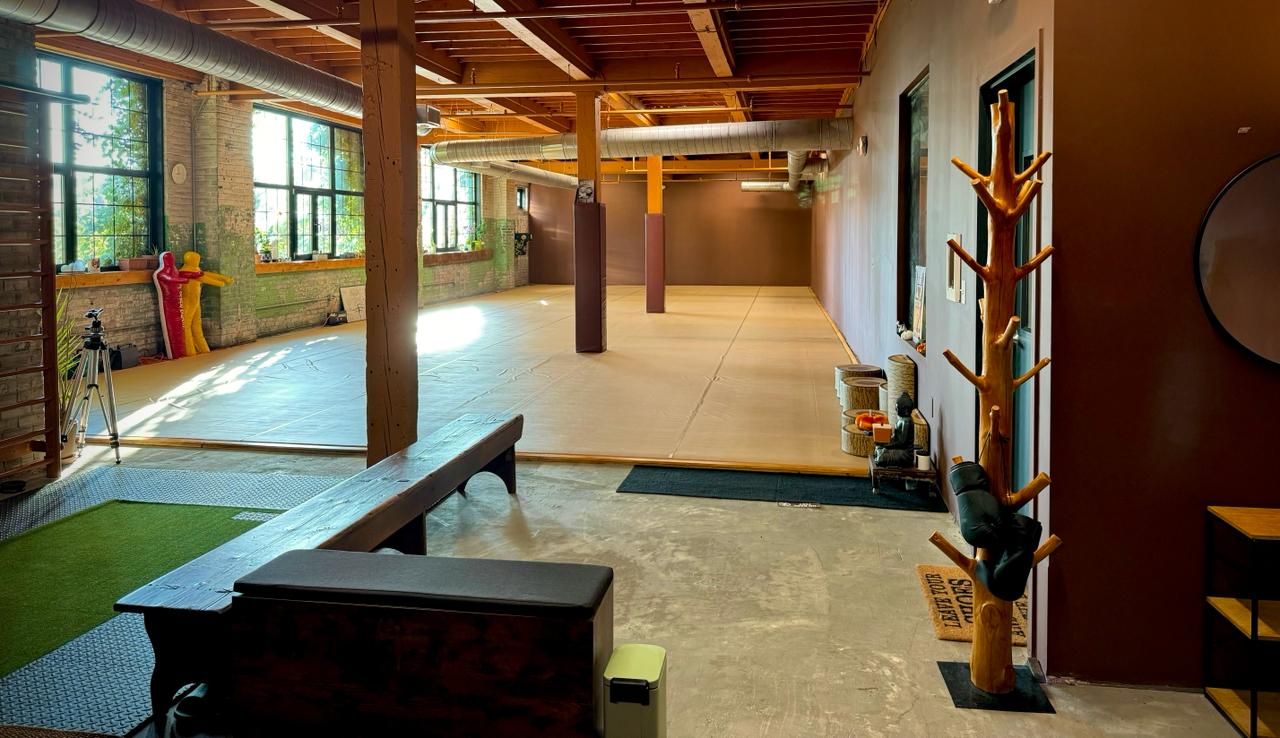
Jiu-jitsu was designed specifically for close-range confrontations. Your child learns how to control a larger person without hurting them — how to clinch, take them down safely, pin them, and de-escalate. This is critical for children because it gives them options that don't involve punching or kicking another kid (which, even in self-defense, can lead to disciplinary consequences at school).
A child trained in jiu-jitsu can hold a bully down and wait for an adult, or simply escape and create distance. That's practical, proportional self-defense — and it's something I've seen give kids enormous peace of mind.
The Anti-Bullying Factor
Bullying is nuanced, and no martial art is a magic solution. But they address it in very different ways.
Karate builds confidence through individual performance — kata demonstrations, board breaking, and structured drills. For some children, this is enough to shift their body language and make them a less likely target. That's genuinely valuable.
Jiu-jitsu goes further. Because every class involves working with a partner, kids develop a physical confidence that comes from experience, not just performance. They learn, through hundreds of hours of controlled grappling, that they can handle pressure — literally, someone pressing their weight on them — and escape. That kind of embodied confidence is hard to fake and hard to break.
There's also a psychological element. A child who knows they can handle themselves physically doesn't walk with fear. Bullies instinctively sense this. I've had parents tell me their child's bullying situation resolved within weeks of starting jiu-jitsu — not because they fought the bully, but because they stopped carrying themselves like a victim.
Sparring vs Kata: How Kids Learn Under Pressure
This is where the two arts diverge most dramatically, and it matters more than most parents realize.
In karate, a significant portion of training revolves around kata and choreographed drills. These are valuable for coordination, focus, and discipline. However, they are performed solo or in pre-arranged sequences with a compliant partner. Sparring does exist in karate, but it's often introduced later and involves controlled striking exchanges with protective gear.
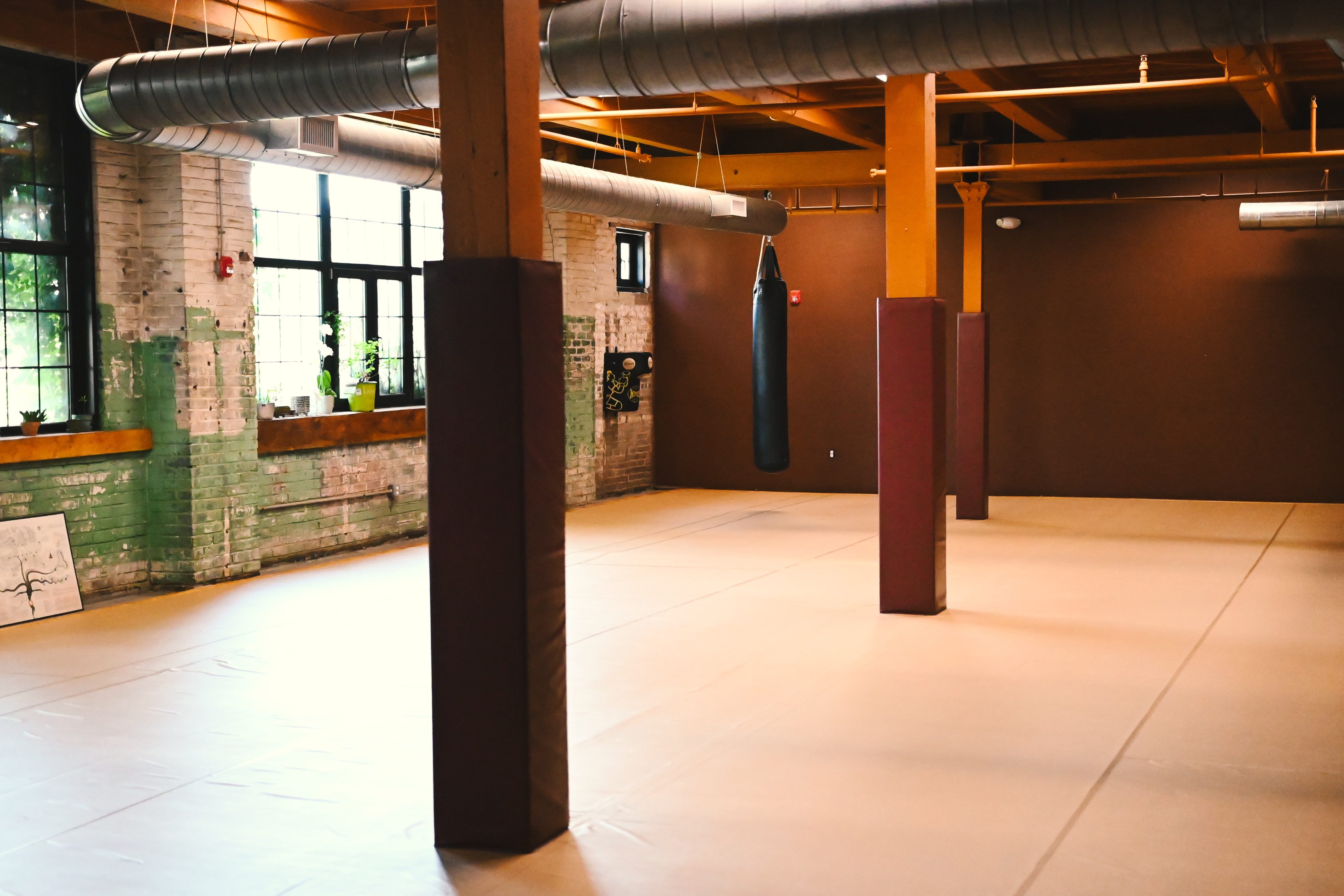
In jiu-jitsu, kids spar (we call it "rolling") from the very beginning — adapted to their age and level, of course. They're solving real problems against a resisting partner in every class. This is live, unscripted, and requires creative thinking on the spot. It's physical chess.
Why does this matter? Because real-world situations are unpredictable. A child who has practiced technique only against compliant partners or in solo forms may freeze when things get chaotic. A child who has rolled hundreds of times with training partners of different sizes and styles has already experienced pressure and knows how to think through it.
This is also one of the reasons jiu-jitsu is incredibly engaging for kids. It's not repetitive in the way kata practice can be. Every round is different, every partner presents different problems, and kids naturally want to figure out solutions. It turns training into a game — and kids who are having fun stick with their martial art.
Confidence and Problem-Solving
Both karate and jiu-jitsu build confidence, but through different mechanisms.
Karate builds confidence through achievement — learning a new kata, earning a stripe, performing in front of the class. These are important milestones and they give children a sense of accomplishment.
Jiu-jitsu builds confidence through adversity. When your child escapes from a bad position for the first time, or sweeps someone who's been dominating them, or calmly solves a problem while someone twice their size is trying to pin them — that confidence runs deep. It's earned through struggle, not just practice.
I've seen this difference play out hundreds of times. Kids who train jiu-jitsu develop a problem-solving mindset that extends far beyond the mat. They learn that being uncomfortable isn't dangerous — it's just a puzzle to solve. They learn that losing isn't failure — it's information. And they learn that persistence beats natural talent, because in jiu-jitsu, it genuinely does.
Safety: The No-Striking Advantage
Here's something that surprises many parents: jiu-jitsu is actually safer for kids than striking-based martial arts.
In karate, even with protective gear and controlled sparring, kids are training to punch and kick each other. Head contact, even incidental, is a real concern for developing brains. And outside the gym, a child who defaults to striking in a confrontation can cause — and receive — serious injuries.
In jiu-jitsu, there is no striking at all. Kids learn to control and submit, not to hit. The most common "injuries" in kids' BJJ are minor — a sore elbow from not tapping quickly enough, the occasional mat burn. Concussions are extremely rare because there's no impact to the head.
This also means that when your child uses jiu-jitsu to defend themselves, they're far less likely to hurt someone else — which matters when you're talking about incidents at school or on the playground. Controlling without striking is a superpower for kids.
Community and Environment
Karate classes tend to be more formal — lines, bowing, following the sensei's instructions with minimal talking. This structure works well for some children, especially those who thrive in highly ordered environments.
Jiu-jitsu classes, particularly for kids, are more interactive and collaborative. Children pair up, work through problems together, and develop close bonds with their training partners. The nature of grappling — being physically close, trusting someone with your body — creates connections that are hard to replicate in other settings.
At The Garden, our kids' classes are structured but never rigid. We maintain respect and discipline while keeping the energy fun and engaging. Our kids cheer for each other, help each other learn techniques, and celebrate each other's progress. Many of our young members' closest friendships started on our mats.
Making Your Decision
Both karate and jiu-jitsu are legitimate martial arts that can benefit your child. Karate's structure and striking fundamentals have their place. But if your priorities are practical self-defense, anti-bullying effectiveness, a safer training environment, and the kind of deep confidence that comes from solving real problems under pressure — jiu-jitsu is the stronger choice.
Every child is different. The best way to know if jiu-jitsu is right for yours is to let them try it.
Try a Class at The Garden
We offer a Day Pass for kids — no commitment, no pressure. Your child will experience a real class, meet their potential teammates, and you'll see firsthand what jiu-jitsu training looks like.
No kicking. No punching. No screaming. Just smart, safe training that builds confident, capable kids.
Book your Day Pass class and see the difference for yourself.
Free BJJ Beginner's Guide
Positions, etiquette, training tips — everything for your first class.