
A deep look at how we structure BJJ training at The Garden MMA — our Gi and No-Gi programs, the 13-week curriculum cycle, belt progression, and what makes our training community different.
BJJ Training at The Garden: Our Gi & No-Gi Programs
If you're looking to train Brazilian Jiu-Jitsu in Haifa — whether you've been rolling for years or you've never stepped on a mat — this is what our program looks like and why we built it the way we did.
I'm Keren, owner of The Garden MMA. When I designed our BJJ program, I wanted something different from the typical gym where you show up, learn a random technique, and hope it all connects eventually. Our approach is structured, progressive, and built around making you a complete grappler — in the Gi and without it.
Two Sides of the Same Art
At The Garden, we run dedicated Gi and No-Gi classes throughout the week. They're not the same class with different outfits — they're complementary training systems that develop different aspects of your jiu-jitsu.
No-Gi: Speed, Pressure, and Modern Grappling
Our No-Gi program is where things move fast. Without the traditional kimono to grab, you rely on body locks, underhooks, wrist control, and wrestling ties to manage distance and create offense. The pace is higher, the scrambles are more chaotic, and the submissions come from angles you don't always see coming.
We emphasize modern No-Gi systems that are dominating competitive grappling right now — leg locks integrated into a passing game, body lock passing sequences, wrestling-based takedowns, and back attacks from multiple entries. This isn't your grandfather's jiu-jitsu. It's a living, evolving system, and our curriculum reflects what's actually working at the highest levels.
No-Gi days have a specific energy. People come in ready to move. The warm-ups are faster, the drilling is more dynamic, and the rolling sessions tend to be high-paced exchanges where positions change rapidly. If you love the athletic, problem-solving side of grappling, you'll feel at home here.
Gi: Precision, Patience, and Deep Control
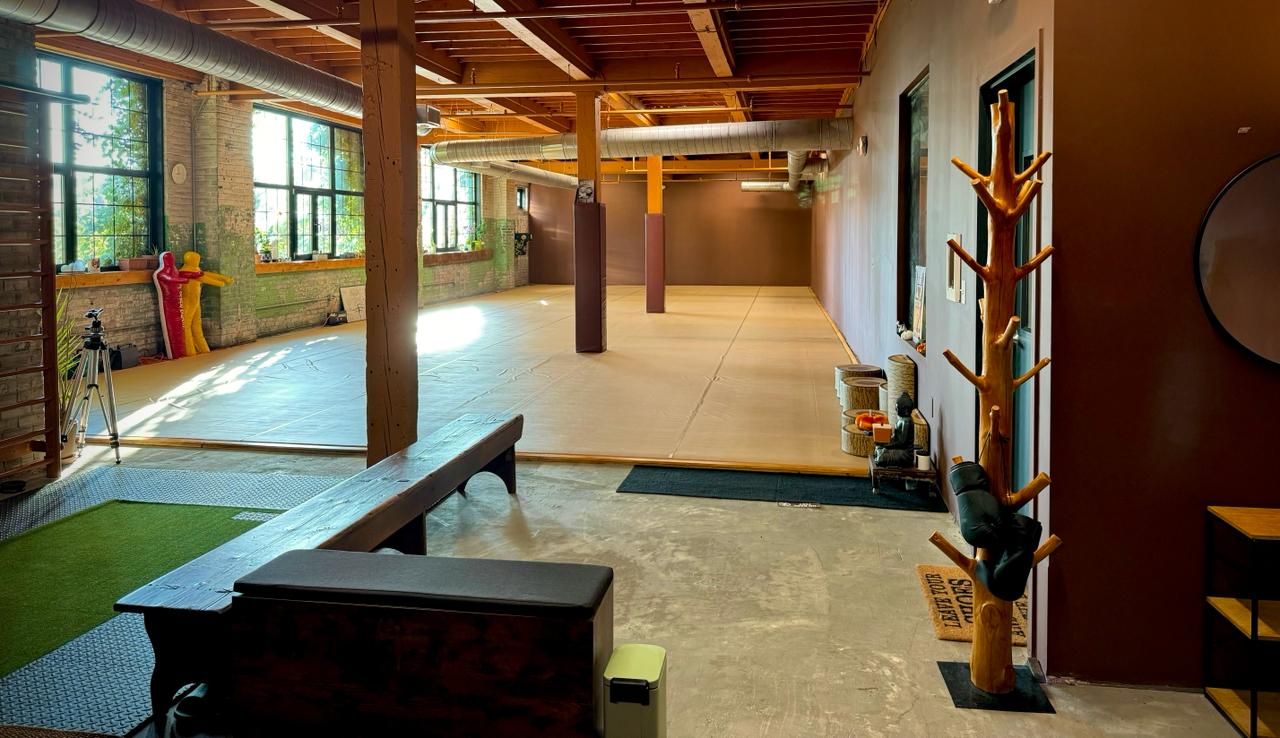
The Gi slows everything down — in the best way. When your opponent can grip your collar, sleeves, and pants, every movement matters. You can't just explode out of bad positions. You have to be technical, methodical, and patient.
Our Gi curriculum develops the fundamentals that have made jiu-jitsu effective for over a century. Collar and sleeve guard work, cross-collar chokes, lapel-based control systems, and the kind of pressure passing that makes your training partners groan when they see you coming. These are skills that translate directly to real-world self-defense, where people wear jackets, hoodies, and clothing you can grip.
Gi training also teaches you to be comfortable under pressure in a way that No-Gi can't replicate. When someone has a deep collar grip on you, controlling your posture and choking off your air supply, you learn to stay calm, find the right frames, and work your escapes systematically. That composure under duress carries into everything — competition, self-defense, and life off the mat.
The 13-Week Curriculum Cycle
Here's what sets The Garden apart from most BJJ gyms: our curriculum is structured in 13-week rotating cycles. Each week has a specific positional focus, and the techniques build on each other as the cycle progresses.
Weeks 1–4: Foundations. Guard retention, basic sweeps, fundamental passes, and the essential submissions every grappler needs. Whether you're day one or year five, these weeks reinforce the core movements that everything else is built on. New members love this phase because nothing is assumed — we build from the ground up.
Weeks 5–8: Expansion. We start chaining techniques together. You're not just learning a single guard pass anymore — you're learning what to do when it fails, how to transition to a different attack, and how to read your opponent's reactions. This is where your game starts developing personality. Some people gravitate toward guard play, others toward top pressure, others toward submissions from everywhere.
Weeks 9–13: Integration. Advanced positions, competition-specific strategies, and situational sparring that tests everything you've built. By this phase, you're flowing between positions, seeing opportunities before they fully develop, and troubleshooting your own game with input from coaches and training partners.
The beauty of the cycle is that it repeats. A white belt going through their first cycle will absorb different details than a purple belt on their fifth rotation. The material scales with your understanding, and every time through, something clicks that didn't click before.
Belt Progression: How We Handle It
BJJ promotions at The Garden are based on demonstrated skill, not time served. We look at your technical proficiency, your ability to apply techniques against resisting opponents, your consistency on the mat, and your contribution to the team culture.
Within each belt, you'll earn stripes that mark incremental progress. These aren't participation trophies — each stripe represents a real leap in capability that your coaches have observed during training. When you earn a stripe, you'll know you earned it, because you'll feel the difference in your rolling.
Belt promotions are significant moments. The whole team gathers, and the energy in the room is something you have to experience. Teammates who've watched you struggle, improve, get tapped a thousand times, and come back the next day — they're celebrating with you because they know exactly what it took.
We don't rush belts. A blue belt from The Garden can walk into any gym in the world and represent well. That matters to us, and it should matter to you. The belt you wear should reflect what you can actually do, not how long you've been paying dues.
Who Trains Here
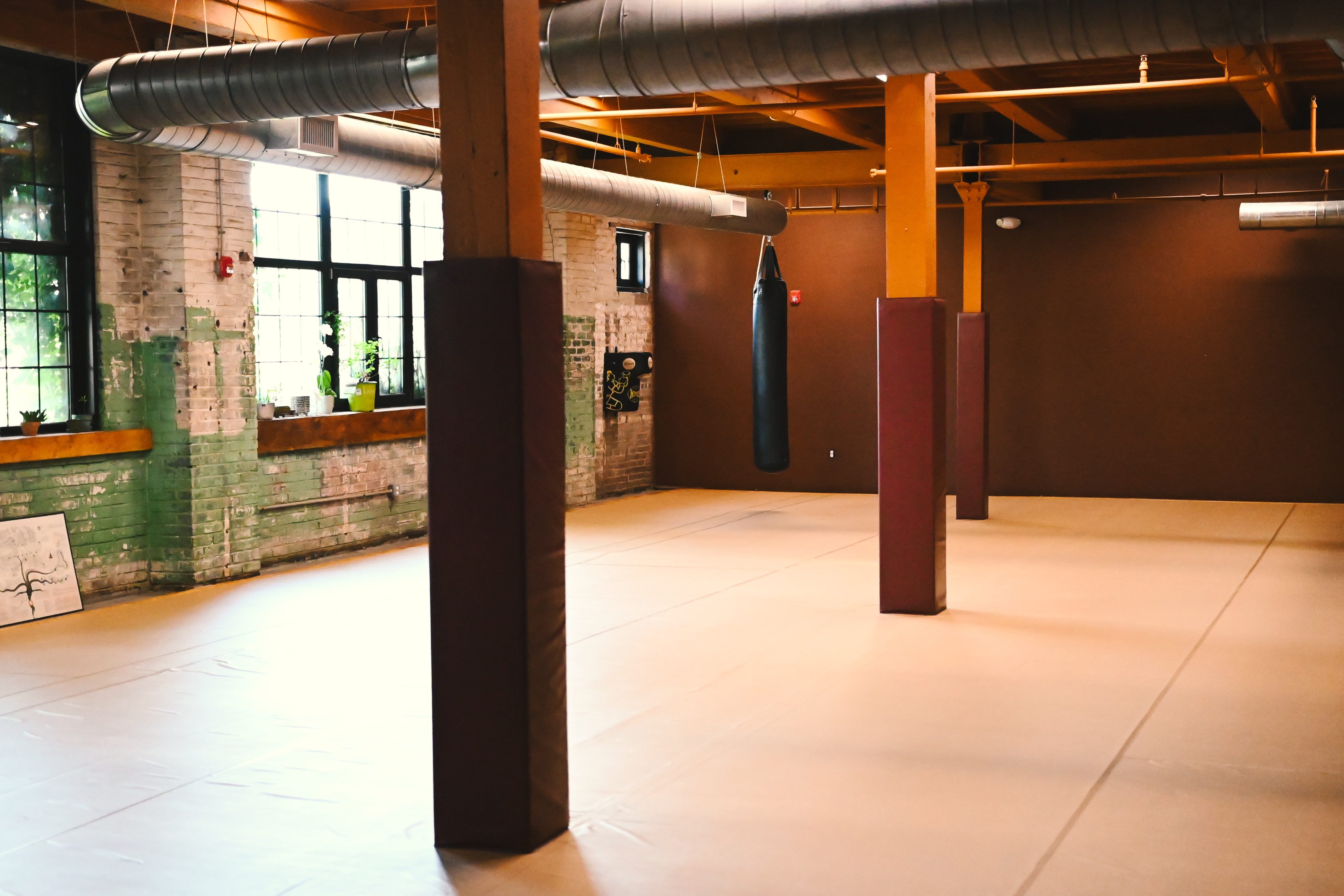
Our BJJ community includes software engineers, students, parents, military personnel, artists, and business owners. Ages range from teenagers to people in their 50s. Some compete regularly, some have never entered a tournament and never plan to. Some train twice a week, some are on the mat six days.
What they share is a genuine love for the art and a willingness to push each other. When you walk into The Garden, you're joining a team — not just a gym. People remember your name after your first class. Higher belts actively seek out newer students to roll with and teach. There's no hierarchy of ego here, just a hierarchy of experience, and experienced people are expected to lift others up.
That culture isn't accidental. We cultivate it deliberately. If someone trains with excessive force against newer students, we address it immediately. If someone is struggling, the team rallies around them. The vibe on the mat is competitive but safe — everyone wants to get better, and we understand that means keeping each other healthy enough to train tomorrow.
What a Week of Training Looks Like
A committed member at The Garden typically trains 3–5 days per week. A sample week might look like:
- Monday: No-Gi fundamentals + rolling
- Tuesday: Gi technique class + positional sparring
- Wednesday: No-Gi advanced — leg locks, wrestling, competition prep
- Thursday: Gi class + open rolling
- Friday: No-Gi drilling + live rounds
- Saturday: Open Mat — all levels, both styles, come play
You don't need to train every day. Three sessions per week is enough to see real progress. What matters more than frequency is consistency — showing up regularly over months and years is what builds a jiu-jitsu game, not cramming sessions into a single week and burning out.
Recovery and Longevity
Training hard is only valuable if you can keep doing it. We built The Garden with recovery in mind — our facility includes a sauna for post-training sessions that help with muscle recovery, joint health, and the kind of deep relaxation that balances out the intensity of the mat.
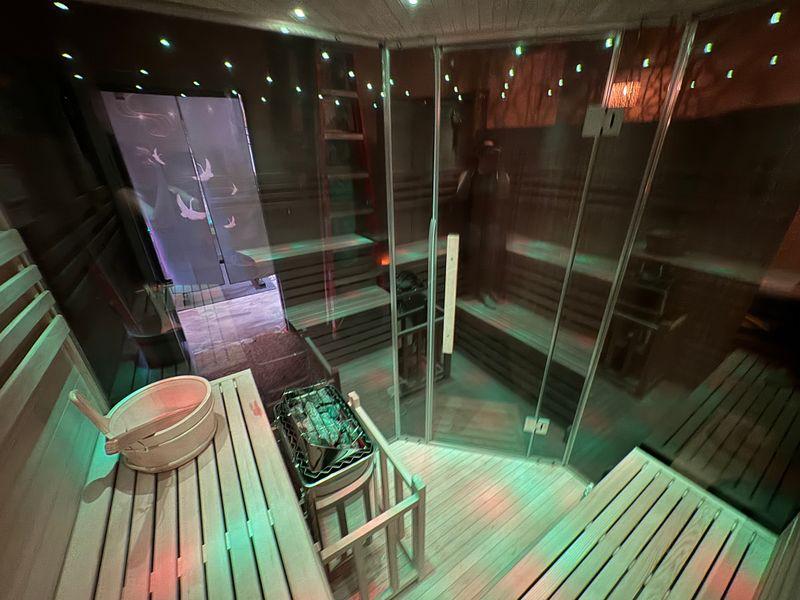
We also coach our members on training smart. That means learning when to go hard and when to flow, understanding the difference between productive discomfort and injury risk, and listening to your body. The members who last longest in this sport — and get the best results — are the ones who treat recovery as part of their training, not an afterthought.
Start Training
If anything here resonates with you, come experience it firsthand. We offer a $35 Day Pass class where you'll get a real taste of what training at The Garden feels like — not a watered-down intro session, but an actual class with real instruction, real drilling, and the opportunity to try some live rolling if you're up for it.
You don't need experience. You don't need to be in shape. You need to show up. Everything else, we'll teach you.
Book your $35 Day Pass and come see why people who train at The Garden don't leave.
Free BJJ Beginner's Guide
Positions, etiquette, training tips — everything for your first class.